
(Looking for what an official YouTube survey looks like? See end of article.)
Chocolate… is it linked to leadership?
If the two are linked… it is a fair question to ask: how?
To answer that question, it’s good to first ask: what is leadership?

Leadership is often assimilated with management.
However, there are many types of leadership.
There’s guiding, there’s coaching, there’s communicating…
And there’s innovating.
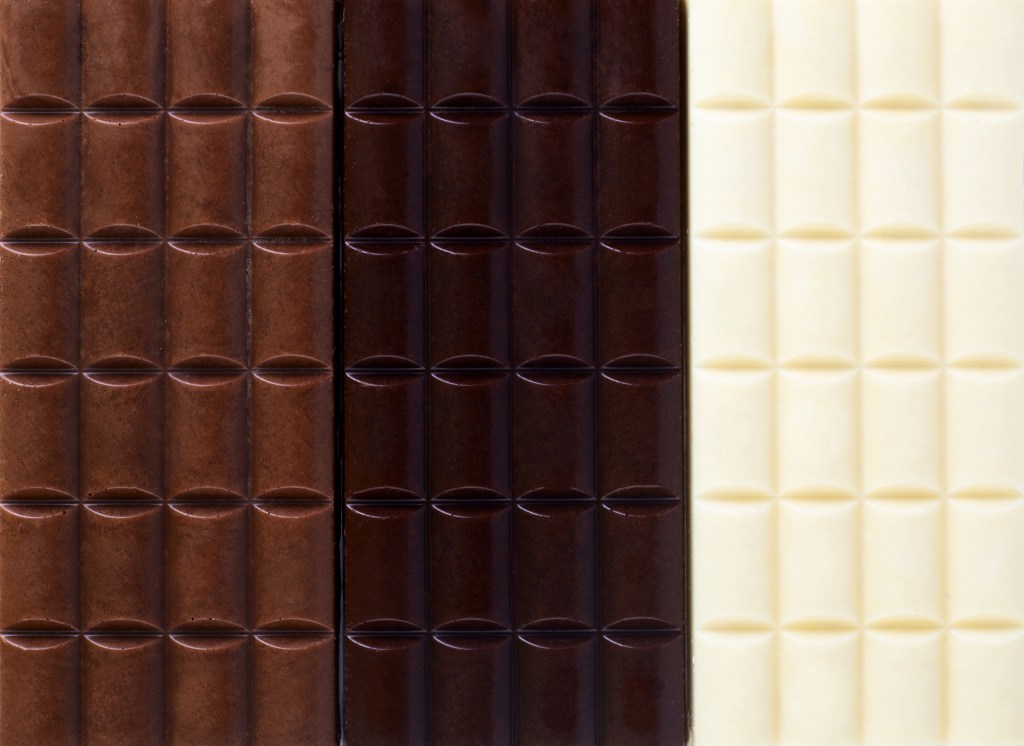
Barry Callebaut is credited with introducing ruby chocolate in September 2017.
Ruby chocolate is the fourth kind of chocolate, complementing dark, milk and white varieties.
As Barry Callebaut has redefined the chocolate world with the new fourth type of chocolate, a number of international brands incorporated ruby chocolate into various creations . (Some of these temporary – prompting ‘impulse buy’-type sales – and some permanent.)
That includes:
The Ruby Magnum (Unilever)
Leibniz Ruby biscuits (by Bahlsen)
Costa Coffee Ruby Hot Chocolate
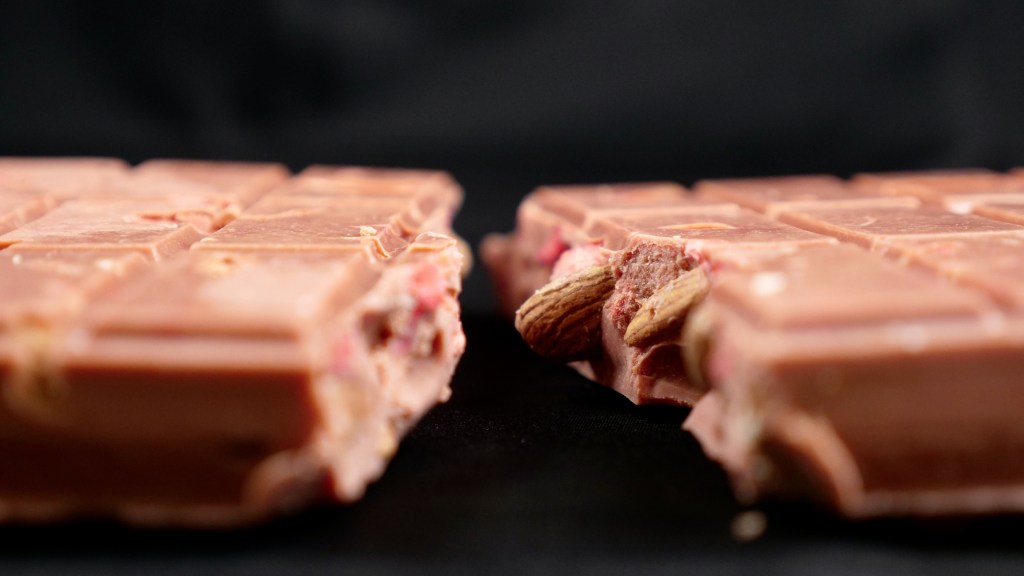
The Barry Callebaut website itself mentions that a Ruby Magnum exists (such is the global value of the Magnum brand.)
Barry Callebaut lists other benefits to potential collaborators of the company – through the innovation boosting a collaborator’s brand image, allowing them to sell a more premium version of a product, and other benefits.
Let’s look now at how innovation is a form of leadership
Innovation and leadership
“I want to do something.”
“That looks fun.”
“I want to do it too.”
One player leads and the others follow.
Following the leader is what happens… a (sometimes new) player is the leader and others follow.
But what about the business case for innovating?
Of course, an innovation specific enough to constitute being the intellectual property of an invention, product or concept allows for licensing and other forms of revenue generation.
Indeed, it is likely that the patent filed by Barry Callebaut many years ago ((Patent US9107430B2: Process for producing red or purple cocoa-derived material) allowed it to sell and protect ruby chocolate as its own invention.
The case for innovation goes beyond that, though. By innovating, a company gains authority, status, visibility, credibility as well as many other benefits in its industry.
People turn to innovators for insights into the future of their industry (a process that gains momentum rapidly when there’s media coverage of that innovator – whether through traditional media or social media.)
And the distinctive colour of ruby chocolate – coupled with the attractive images of its production – have attractive potential to be shared.
Indeed, not only did Barry Callebaut introduce ruby chocolate, but the chocolate maker also takes us on a journey when demonstrating the process by which it is made.
The head teacher of the summer English course of one of the most distinguished private schools once said that “education and travel are the only two things that you can spend money on that actually make you richer.”
(Of course, there are other investments, but the average form of any investment is likely to carry risk…)
Still, if you feel you have travelled in arriving to this webpage listing the story of the world’s fourth chocolate…
…and learned some lessons in leadership from chocolate…
…then already that’s some investment.
Sources:
What could ruby do for my brand? | Barry Callebaut
How ruby chocolate is made | Barry Callebaut
Magnum Ruby Ice Cream Taste Test: Nice Or Not? – TODAY
Ruby ready: Bahlsen brings first ruby biscuit to US – for two months only
Costa Coffee add spring treats to their menu including new Ruby Frostino – The Mirror
Got redirected here after taking the poll, and still curious about what an official YouTube survey looks like?
Though not affiliated with YouTube, Google, or SE Business Research, Promodo provides an example on the following page (scroll down to see it – it’s the second image in the article. See if your selection in the poll was closest!):
Brand lift metrics: The key to performance marketing in 2023 | Promodo.com
 SE Business Research